December 05, 2025 - 1699 views
UK Criminalises Online Promotion of Unlawful Immigration Services

London, 5 December 2025 — The UK has introduced sweeping new measures to clamp down on online content that promotes immigration services, following the enactment of the Border Security, Asylum and Immigration Act 2025.
Section 17 of the Act makes it a criminal offence to create, publish or promote material online that advertises or encourages services designed to help people breach immigration law. This includes fraudulent visa assistance, misuse of identity documents, and other schemes that facilitate illegal entry or residence in the country. The law applies both to those who create such material and to those who knowingly publish it, extending liability across the digital ecosystem.
We are going further to intercept, detain and arrest the people-smugglers who bring illegal migrants to our shores. pic.twitter.com/eStnGU2KyW
— Shabana Mahmood MP (@ShabanaMahmood) December 4, 2025
Penalties vary depending on jurisdiction. In England and Wales, offenders face up to the magistrates’ court limit in prison or a fine, while in Scotland the maximum sentence is twelve months and in Northern Ireland six months. On indictment, however, the offence carries a far harsher penalty of up to five years in prison or an unlimited fine, underscoring the seriousness with which the government views online facilitation of unlawful immigration.
Defences are available for those engaged in legitimate journalism or academic research, ensuring that reporting on immigration issues or studying migration patterns is not inadvertently criminalised.
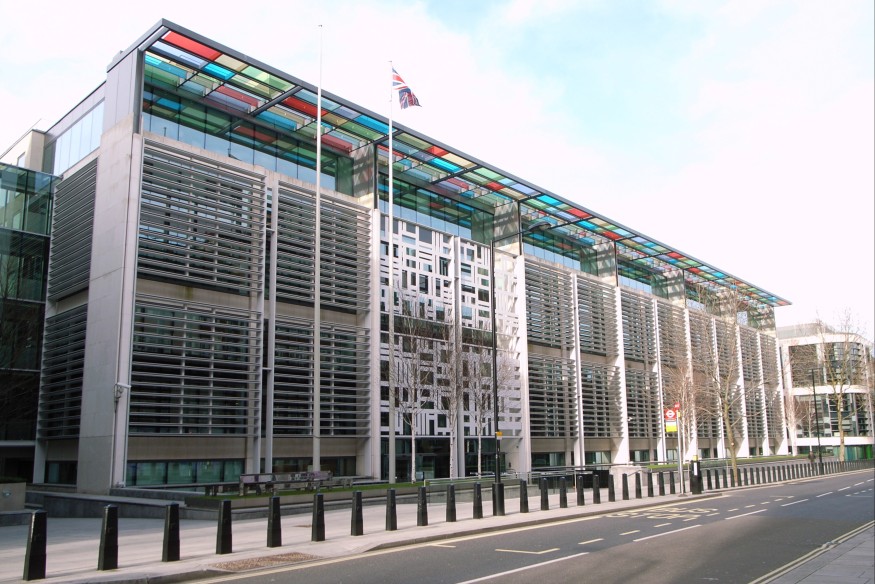
Ministers argue that the measure is necessary to combat online networks that exploit vulnerable migrants, often charging high fees for fraudulent services. Critics, however, warn that the law could have unintended consequences for advocacy groups and migrant support organisations if applied too broadly. Technology platforms are also expected to face increased pressure to monitor and remove content that could fall foul of the new rules.
The passage of Section 17 marks a significant escalation in the UK’s efforts to tighten border security and regulate online spaces. It reflects a broader trend of governments seeking to extend immigration enforcement into the digital realm, where information and services can spread rapidly and evade traditional oversight. But critics say the internet is global, the UK's jurisdiction does not extend to people in Albania, which therefore renders the possibility of enforcing of online ads for immigration to the UK virtually impossible.