February 10, 2026 - 1585 views

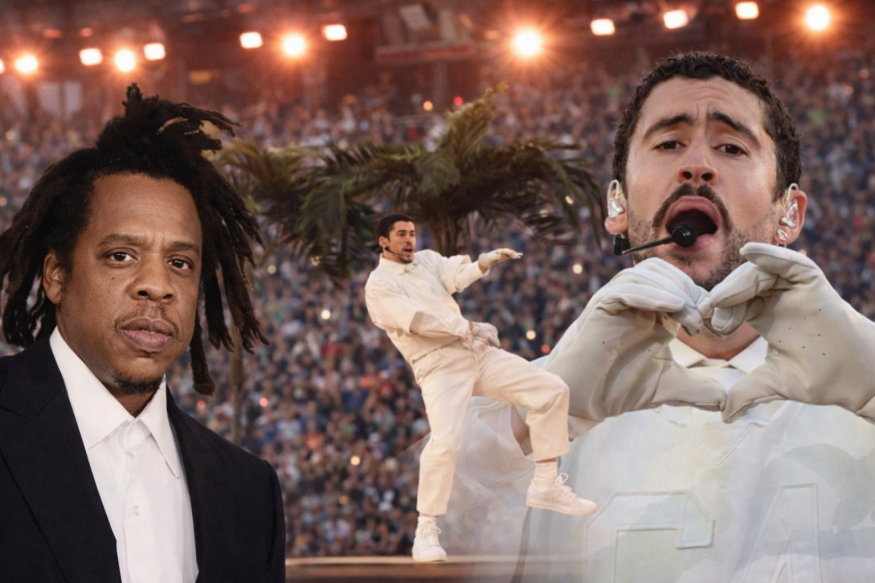
The critics are out in full force after this year’s Super Bowl halftime show, and the debate is louder than the performance itself. While many fans praised the spectacle and celebrated Bad Bunny’s global influence, others were left outraged by what they saw as a glaring language barrier. The lack of English translation for non‑Spanish‑speaking viewers sparked a wave of complaints online, with some arguing that the show felt exclusionary rather than inclusive. The backlash has reignited a long‑standing question: how did Jay‑Z become the gatekeeper of halftime talent, and why did he choose an artist whose performance leaned so heavily into a language many attendees couldn’t understand?
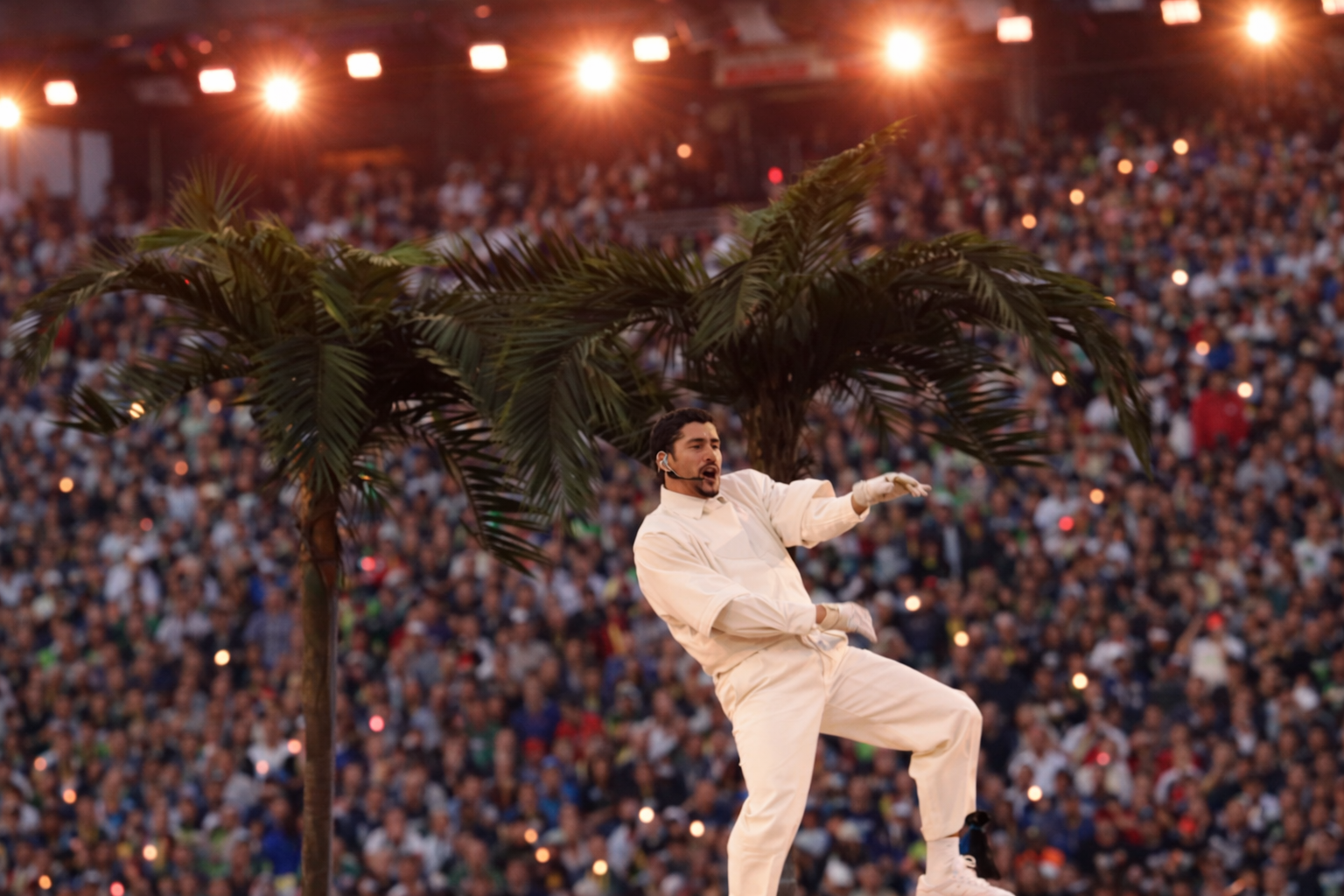
Bad Bunny’s booking has become the lightning rod for a wider cultural argument. Supporters insist he represents the reality of modern music — global, multilingual, boundary‑breaking — and that the NFL should reflect that diversity. Critics, however, argue that the halftime show is an American institution watched by millions worldwide, and therefore should prioritise accessibility.
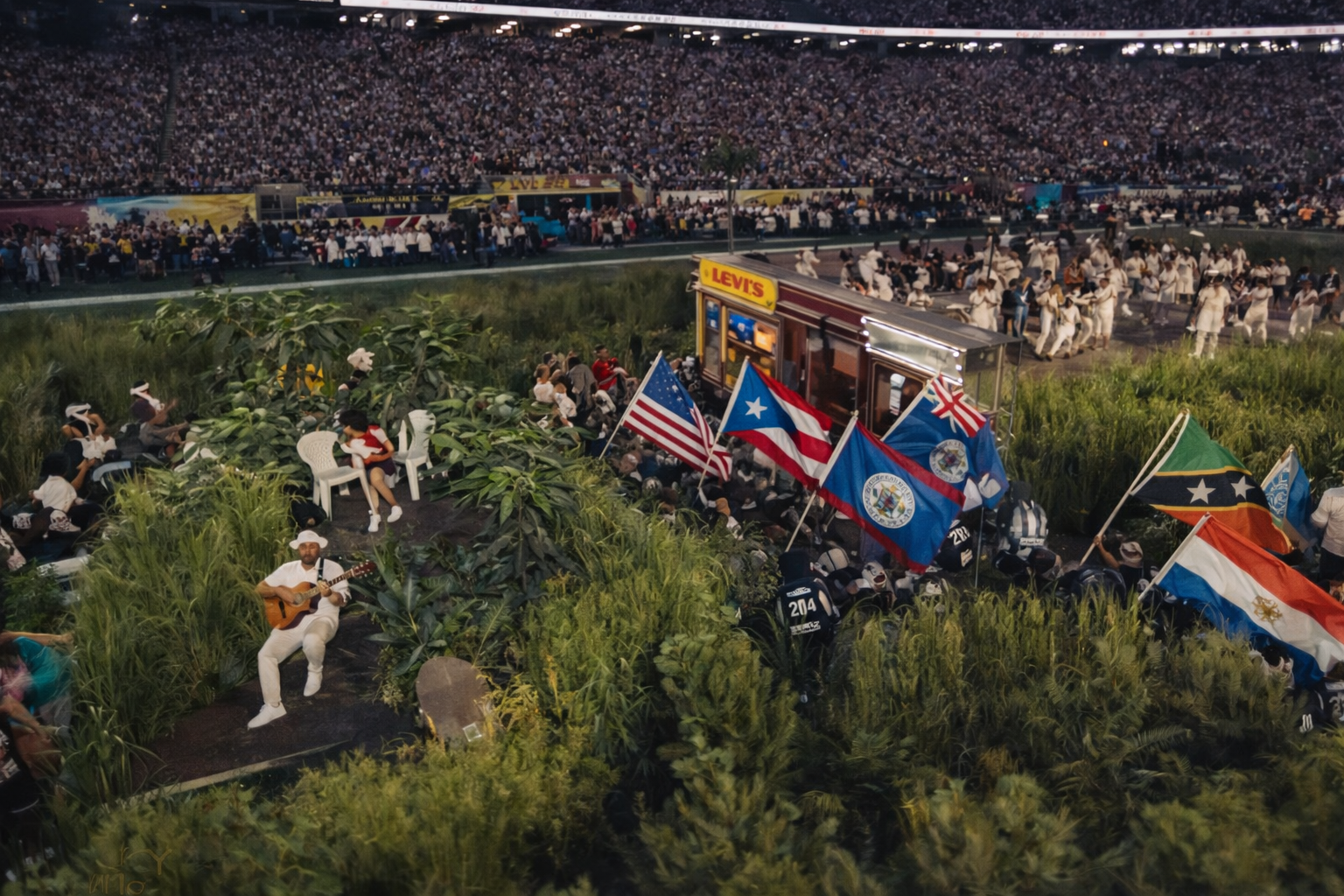
The absence of subtitles or translation fuelled claims that the performance alienated a significant portion of the audience. For some, it wasn’t just a stylistic choice but a miscalculation that disrupted the show’s legacy of unifying spectacle.
Below, Candace Owens, well‑known US political commentator, reacts to the language‑barrier controversy.
View this post on Instagram
Whether Bad Bunny was a bold step forward or a misstep in halftime history depends entirely on who you ask. What’s undeniable is that the controversy has exposed a cultural fault line between those who embrace the globalisation of entertainment and those who feel sidelined by it.
Jay‑Z’s influence over the show continues to raise eyebrows, and the NFL now faces pressure to rethink how it balances artistic freedom with audience accessibility. Love it or loathe it, this year’s halftime show has achieved one thing effortlessly: everyone is talking about it.
Follow JamRadio: