August 04, 2026 - 141 views
Photo credit: CARICOM Secretariat
The chairman of the CARICOM Reparations Commission says the Caribbean and Africa Union have forged an enduring alliance, as Ghana’s President John Dramani Mahama calls for historical truth, justice and economic emancipation.
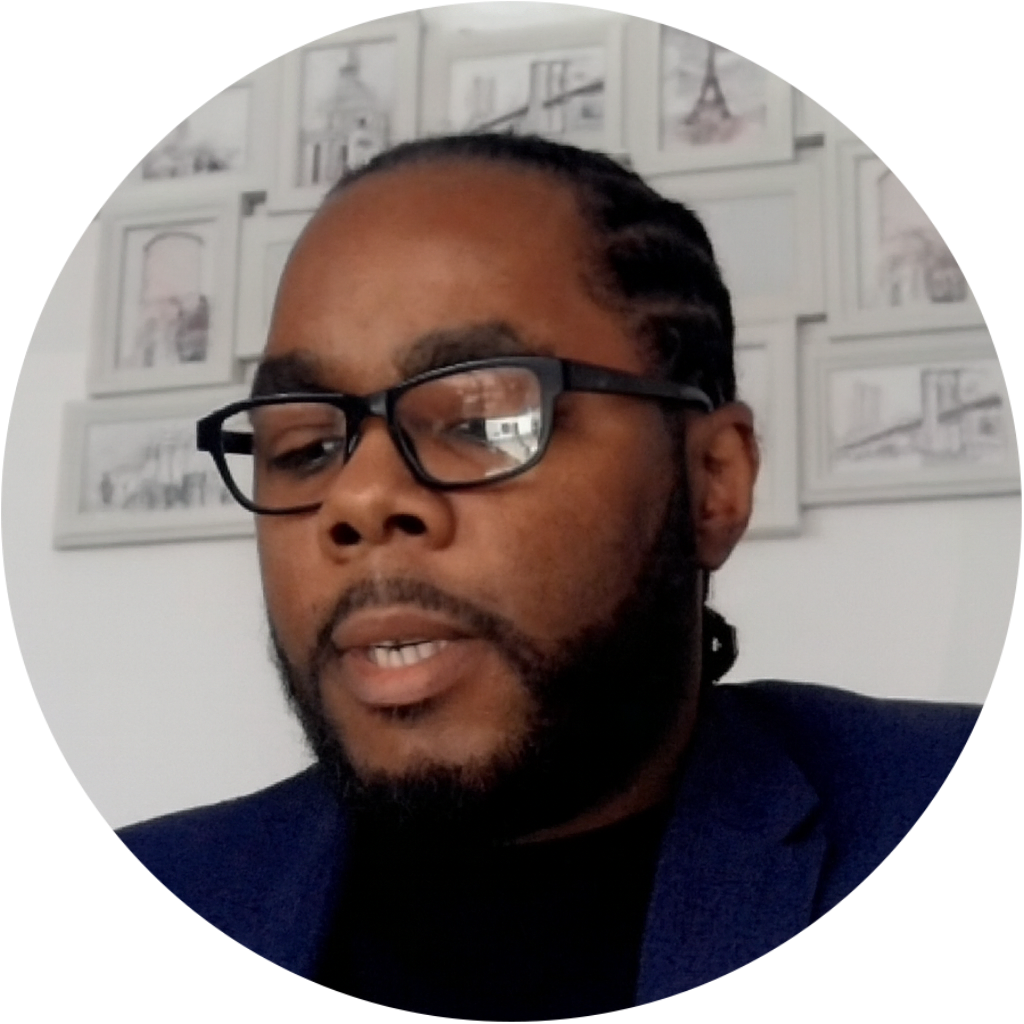
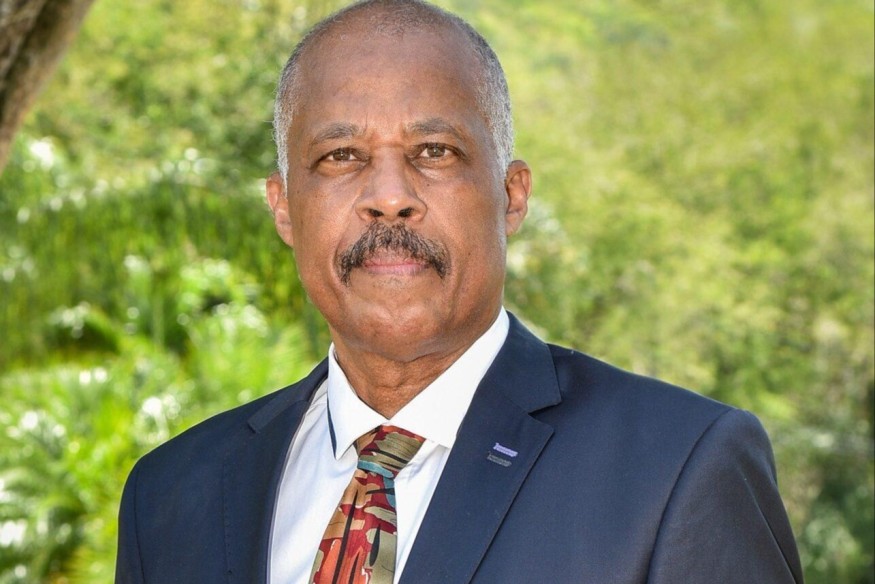
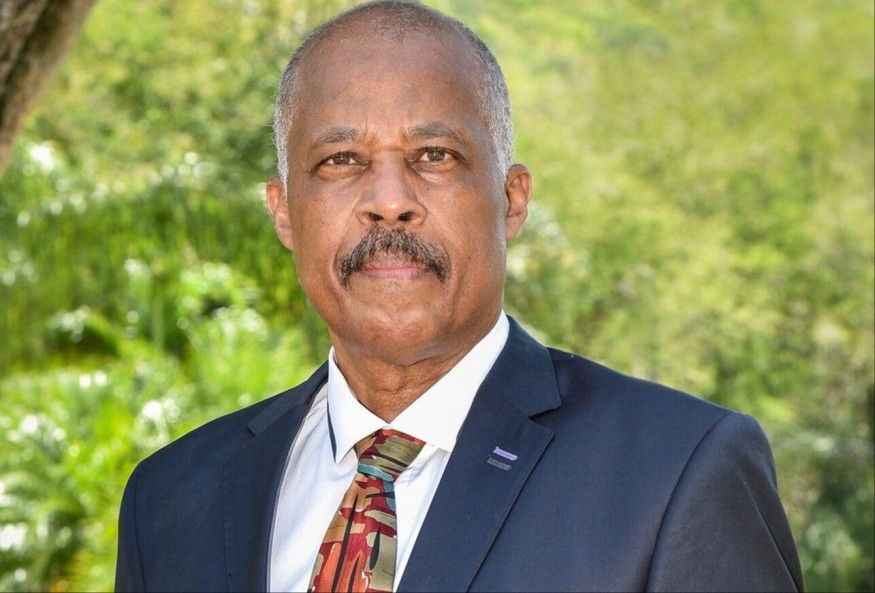
KINGSTON, Jamaica — Professor Sir Hilary Beckles has declared that CARICOM and Africa will “forever speak with one voice on reparations”, presenting the growing alliance between the Caribbean and the African continent as a permanent political commitment rather than a temporary diplomatic arrangement.
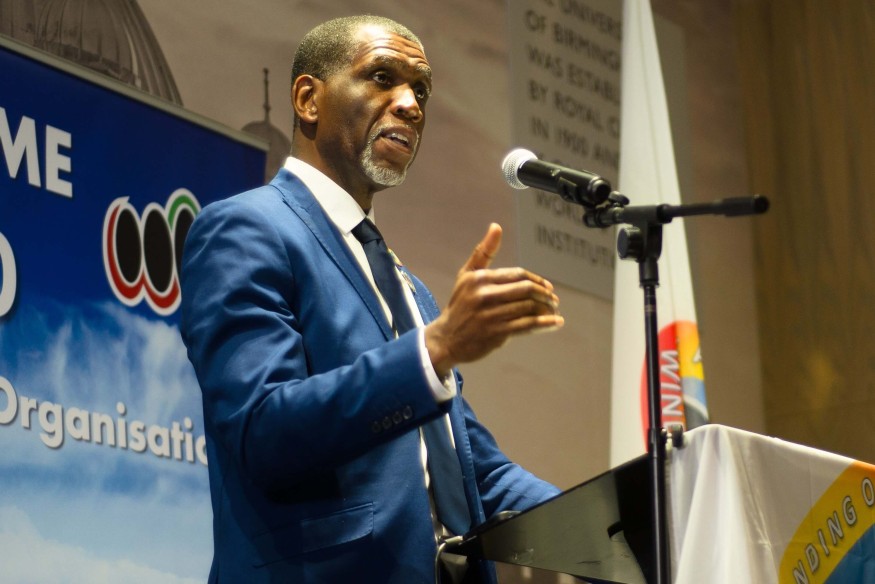
Sir Hilary made the powerful declaration on Monday, August 3, during a Special High-Level Reparation Dialogue with Ghana’s President John Dramani Mahama at The University of the West Indies Regional Headquarters in Jamaica.
Advertisement
Collect Akimyax Anime Keyrings
The event was hosted by The UWI in collaboration with the Office of the Prime Minister of Jamaica during President Mahama’s official visit to the island.
The dialogue brought together two of the most influential figures in the international reparations movement. Sir Hilary serves as Vice-Chancellor of The UWI and chairman of the CARICOM Reparations Commission, while President Mahama has emerged as a leading voice in Africa’s campaign for reparatory justice.
Advertisement
Their appearance together carried deep historical symbolism. The Atlantic Ocean, once used to forcibly separate millions of Africans from their families, cultures and homelands, is increasingly becoming a bridge for coordinated political action between Africa and its Caribbean diaspora.
“CARICOM and Africa will forever speak with one voice on reparations,” declares Sir Hilary Beckles.#CARICOM #Jamaica #Ghana #Reparations pic.twitter.com/Ih62LH9A5e
— Jam Radio UK News (@Jam_RadioUK) August 4, 2026
Sir Hilary’s message was that the days of Africa and the Caribbean approaching reparatory justice as separate constituencies are over. CARICOM and the African Union are now aligning their diplomacy, legal research, public education and international advocacy around a shared demand for acknowledgment, justice and repair.
A growing international force
That unified approach has already produced significant diplomatic progress.
The United Nations General Assembly recently adopted a landmark resolution recognising the trafficking and enslavement of Africans as one of the gravest crimes against humanity because of its scale, duration, systematic nature, brutality and continuing consequences.
The resolution, championed by President Mahama, received the support of 123 countries. Every CARICOM member state voted in favour.
Advertisement

It also called for greater international support for reparatory justice, the return of stolen African cultural objects, historical research, education and memorialisation.
The significance of Sir Hilary’s latest declaration is therefore clear: Caribbean nations will no longer be left to pursue former colonial powers alone. They now stand alongside the African continent, speaking through a coordinated international coalition with increasing influence at the United Nations and other global institutions.
Mahama challenges attempts to minimise slavery
During the UWI dialogue, President Mahama also confronted arguments that the involvement of some Africans in the transatlantic slave trade somehow weakens the case for reparations.
He maintained that the participation of African intermediaries could not erase the systematic nature of the wider enterprise.
Advertisement
The transatlantic trade was supported by laws, insurance arrangements, auctions, banks, shipping companies and commercial networks that reduced African men, women and children to cargo.
The involvement of individuals within Africa does not change the scale of the crime or remove responsibility from the governments, monarchies, companies and institutions that organised, expanded and profited from it over several centuries.
President Mahama also called for the history of slavery and colonialism to be taught more honestly.
He said generations of African and Caribbean children had been taught versions of history that celebrated European abolitionists while failing to explain fully the violence, suffering and economic machinery behind the transatlantic trafficking of enslaved Africans.
A truthful understanding of that history, he argued, is necessary to overcome the continuing psychological effects of slavery and colonialism and to enable African people to determine their own future.
From political independence to economic emancipation
President Mahama further connected reparatory justice with the present-day economic circumstances of Africa and the Caribbean.
He said that while earlier generations successfully fought for political liberation and national independence, the struggle facing the present generation is one of economic emancipation.
Advertisement

That requires deeper cooperation between African and Caribbean states in trade, education, investment, culture, transportation and development, turning shared history and political solidarity into practical improvements in the lives of their people.
This reflects the wider Africa–CARICOM position that reparations cannot be reduced to a single payment or symbolic apology.
The developing agenda includes formal acknowledgment, financial compensation, debt relief, the return of cultural property and long-term programmes addressing the structural damage caused by slavery and colonial extraction.
The Kingston dialogue therefore represented more than another discussion about the past. It signalled that reparations are becoming a coordinated programme of international diplomacy, historical truth-telling, legal action and economic reconstruction.
Advertisement
Sir Hilary’s message was unequivocal: Africa and the Caribbean will not allow the demand for justice to be fragmented, postponed indefinitely or dismissed as an issue belonging only to history.
Separated by force centuries ago, Africa and its Caribbean descendants are now reuniting around a common political purpose and, on reparations, they intend to speak with one voice.