November 15, 2025 - 4659 views
A political storm erupts in St. Kitts & Nevis as former PM warns “Project Destiny” drags the nation back to the era of Trans‑Atlantic slavery.
Basseterre, St. Kitts and Nevis - In a fiery address to citizens of the federation of St. Kitts and Nevis, former Prime Minister Dr. Timothy Harris issued a scathing denunciation of Project Destiny and the Special Sustainability Zone (SSZ) Act, branding them as instruments of exclusion, neo-colonialism, and racial injustice. Dr. Harris called on Nevisians to resist what he described as a return to plantation-era subjugation under the guise of sustainable development.
A political storm erupts in St. Kitts & Nevis as former Prime Minister warns “Project Destiny” drags the nation back to the era of Trans‑Atlantic slavery.
— Jam Radio UK News (@Jam_RadioUK) November 15, 2025
Ex PM Dr. Timothy Harris describes the "Special Sustaiability Zone Act" as neo-colonialism under the guise of… pic.twitter.com/s2xpCp27C3
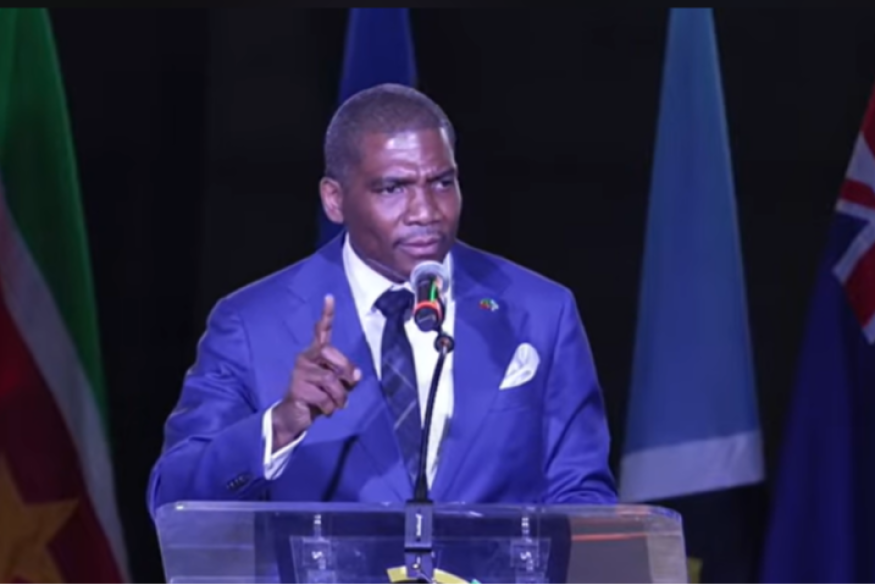
Former Prime Minister Dr. Timothy Harris likens Project destiny to an Apartheid State
“This story—if we don’t remember it—we are going to have to live it again,” Harris warned, invoking the ancestral trauma of land dispossession and servitude. He accused the current administration and Premier Mark Brantley of enabling a foreign-led takeover of Nevisian land and governance, likening Project Destiny to a “state within a state” where local laws, courts, and sovereignty are rendered irrelevant.
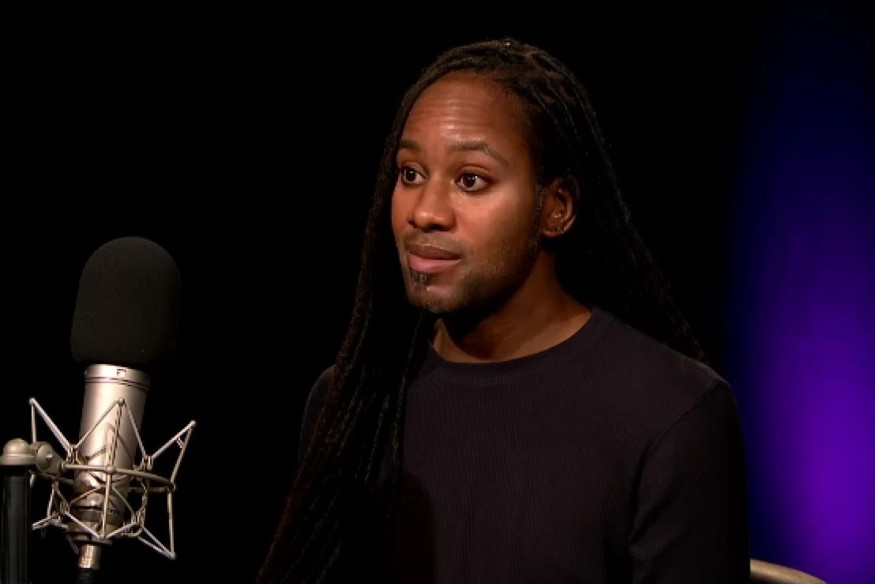
 Olivier Janssens founder and CEO of Project Destiny - also citizen of St. Kitts and Nevis by Investment - Credit: destiny.com
Project Destiny is a privately led development initiative on the island of Nevis, launched under the legal framework of the Special Sustainability Zones Authorisation Act (SSZ Act No. 21 of 2025). Spearheaded by libertarian entrepreneur Olivier Janssens, Destiny proposes the creation of a semi-autonomous zone with its own infrastructure, governance, and economic model—promising thousands of jobs, profit-sharing for Nevisians, and major investment in hospitals, roads, and education. The SSZ Act, passed by the federal government of St. Kitts and Nevis—shrouded in secrecy, grants the Prime Minister sweeping powers to authorize such zones, allowing private developers to operate with minimal oversight, international arbitration mechanisms, and exemptions from local laws.
 Concept image courtesy destiny.com
Harris’s critique centered on the SSZ Act, passed in September 2025, follows weeks of backlash after the surprise bill was rushed through Parliament and became law. The controversial legislation empowers the Prime Minister to authorize private zones with independent governance, international arbitration, and minimal democratic oversight. “They don’t want your laws to apply to them,” Harris said. “And if you have any problem, we don’t even wanna bother with your courts. Let’s go to international arbitration. Well, they have money… it is not about us—it is for themselves.”
Controversy erupts in St. Kitts & Nevis: Opposition leader & Nevis Premier Mark Brantley accused of colluding with the federal government to quietly pass a bill paving the way for an apartheid‑styled state on Nevis. #ProjectDestiny #Nevis #CaribbeanPolitics #SSZAct #Prospera pic.twitter.com/ZTgPTRtoyQ
— Jam Radio UK News (@Jam_RadioUK) November 16, 2025
Nevis' Premier Mark Brantley seeks to justify project Destiny.
The debate over the SSZ Act is sharpened by the unique constitutional structure of the federation of St. Kitts and Nevis. While united under one federal government, Nevis enjoys semi-autonomous rule through its own island administration, Led by Premier Mark Brantley with limited powers enshrined in the constitution to manage local affairs. This arrangement often creates tension between Basseterre (the federal capital on St. Kitts) and Charlestown (the seat of Nevis’s government), especially when national legislation is perceived to encroach on Nevisian sovereignty. Brantley despite being ledder of the Nevis Island government also sits a opposition leader to the federal government in the federal Parliament a Unique and but extremly controversial Constitutional arrangement not found anywhere else in the world.
The former Prime Minister painted a dystopian picture of Destiny as a self-governing enclave with its own police and legal structure—a law unto itself, without reciprocal accountability. “They will do all the things that the government should do… but they ain’t got no obligation to nobody,” Harris declared. “It is a special exclusionary zone because they want to exclude us.”
The Act, before becoming law, passed the scrutiny of the nation’s Attorney General, Garth Wilkin, who defended its provisions as legally sound and consistent with the government’s development vision. Yet the measure drew sharp criticism from his own father, Charles Wilkin KC, one of the federation’s most senior lawyers, who denounced the SSZ Act and the related Project Destiny proposals as a dangerous experiment that risked creating a “state within a state” and undermining national sovereignty
Harris’s speech was not just political—it was historical. He recalled past battles over land access, access to beaches and coastline, and foreign encroachment, including his confrontation with Christophe Harbour developer Buddy Darby. “He told me we should allow him to put a ‘welcoming center’—code name for "gate"—so that when people come, somebody will assist them with their forwardness. We went through that fight before. We will not allow that state to return here.” Harris recounted.
The speech resonated deeply with Nevisians, many of whom fear that Destiny will privatize large parts of the island to billionaires, restrict access, and create gated zones where locals must seek permission to enter. He framed the SSZ model as a betrayal of the federation’s hard-won independence and dignity. “Gone are the days when our great grandparents had to go to a massa on the estate and ask as a favor if they could get a plot of land for housing or even to farm. We passed that—and we will not allow that state to return here.”
In a final rhetorical flourish, Harris rejected the Destiny narrative outright. “That is not our destiny. It may be this—it may be Drews’ destiny—but it’s not our destiny,” he said, alluding to the vision of St. Kitts' Prime Minister Dr. Terrence Drew.