March 10, 2026 - 1445 views
Black People Up to 48 Times More Likely to Be Stopped and Searched in Some Wealthy London Areas

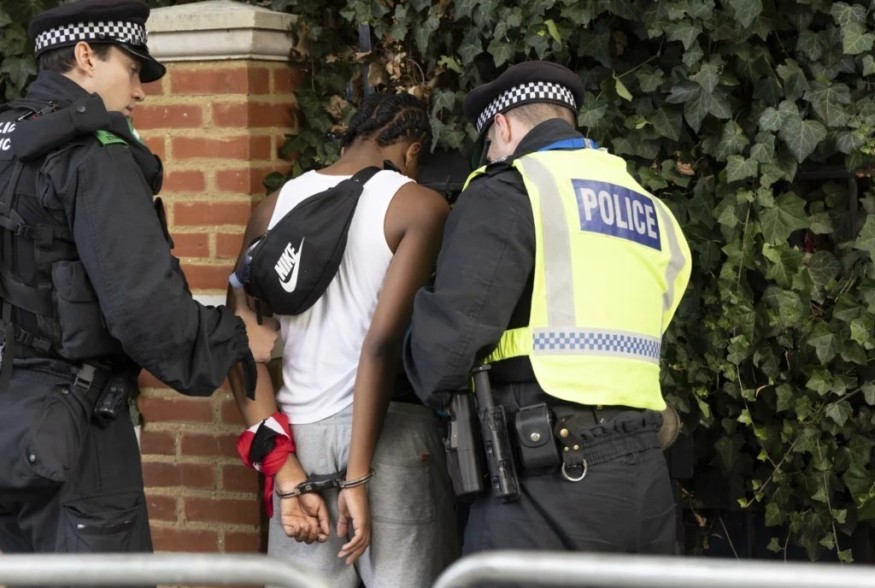
A new study has revealed stark racial disparities in the use of police stop and search powers in parts of London, with Black people found to be up to 48 times more likely than white people to be stopped and searched in some of the capital’s wealthiest neighbourhoods.
The research, carried out by King’s College London and commissioned by the office of London’s mayor, analysed more than 152000 stop and search incidents recorded by the Metropolitan Police in 2023.
Advertisement

Researchers found particularly extreme disparities in areas such as East Sheen, Dulwich Village and Hampstead, where Black residents were stopped at dramatically higher rates than white residents.
Across England and Wales, Black people are already around four times more likely to be stopped and searched than white people, while in London the figure is about 3.7 times higher overall. The study also raised concerns about the reasons officers sometimes give for carrying out searches. In some cases, explanations included vague descriptions such as a person giving a furtive glance or appearing suspicious.
Advertisement

According to the report, around two thirds of stop and search encounters result in no further action, meaning nothing illegal is found. Researchers say that when people feel stop and search powers are used unfairly, it can damage trust in policing. In the study, 65 percent of white people said their stop felt fair compared with only 37 percent of Black people.
London’s mayor described the level of disproportionality as unacceptable and has announced plans for mandatory annual reporting on how stop and search is used across the capital.
Advertisement
The Metropolitan Police say the tactic remains an important tool for preventing violence and that improvements in oversight and community scrutiny are being introduced.
The findings add to an ongoing national debate about policing, race and accountability in Britain.
For emerging journalists and community media platforms, the issue also highlights the importance of independent reporting and diverse voices in the media, ensuring communities most affected by these policies are able to tell their own stories.
JamRadio will continue to follow developments around policing, community trust and justice across the UK.
JamRadio may earn a commission if you purchase products advertised on our website at no extra cost to you.
Follow JamRadio for updates: